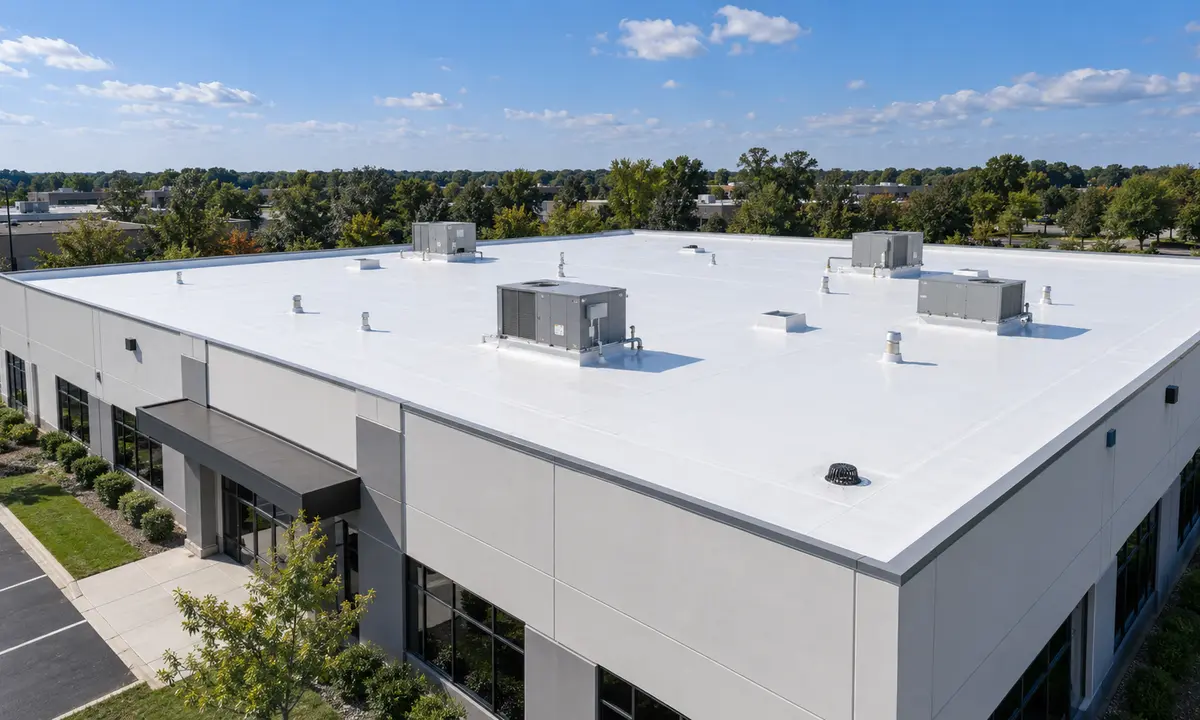
Make roof condition part of the maintenance plan.
Commercial roof maintenance starts with knowing what is on the building and where it needs attention. RedCorn reviews accessible conditions and helps owners and property managers distinguish repairs to address now, items to monitor, and work to consider in a future budget.
Define the scope before the visit
An inspection, debris removal, and repair work are different tasks. Agree on the buildings, roof areas, access arrangements, and included work before scheduling. Identify any areas that cannot be accessed and explain what the visit can and cannot establish.
- Membrane condition, visible punctures, open seams, and previous repairs.
- Curbs, pipes, wall flashing, roof edges, and terminations.
- Visible drain, scupper, gutter, and downspout conditions.
- Debris and rooftop traffic concerns.
- Signs that require further moisture, deck, or building-envelope investigation.
Turn observations into decisions
Useful documentation ties a photo to a building, roof section, observed condition, and recommended action. Ask for a clear distinction between confirmed visible defects and suspected concealed problems. The next step may be a repair proposal, monitoring, or additional investigation.
For several buildings, use consistent identifiers so maintenance teams and boards can follow the same locations over time. Our commercial roof assessment checklist outlines the records to gather and questions to ask.
Choose a schedule that fits the property
Spring and fall reviews can be practical starting points for Indianapolis properties: evaluate conditions following winter and review drainage before leaf accumulation and colder weather. The actual schedule depends on roof condition, surrounding trees, rooftop activity, and warranty obligations. Significant weather events or equipment work may justify an additional review.
Routine visits do not guarantee that a roof will never leak. Between visits, report new interior staining, visible damage, or drainage concerns promptly so the next action can be assessed.
Keep maintenance and repair approvals clear
Define whether the visit includes cleaning or minor repairs, what needs separate authorization, and who can approve additional work. This is particularly useful for property managers responsible for purchase orders or board approval. Share existing warranty documents so the relevant maintenance and notification requirements can be reviewed.
An active leak should be addressed through commercial roof repair rather than waiting for the next routine visit.
Plan for future roof expenses
A condition review can help organize future work by roof section. Combine inspection findings with repair history, the building’s use, and your ownership plans. Compare repair and replacement options and review cost factors when developing a budget.
Common questions
Do you maintain TPO and EPDM roofs?
RedCorn provides condition reviews and maintenance planning for common commercial roof systems including TPO, EPDM, and PVC. The scope and materials depend on the roof assembly and its condition.
Does a maintenance visit include every repair?
Only the agreed work is included. The proposal should specify inspection, cleaning, any included repairs, and which findings require separate approval.
Can you organize findings for several properties?
Yes. Share the building identifiers, site contacts, access requirements, and reporting needs. Findings and proposed work can be organized by property and roof section.
Will maintenance extend the roof warranty?
Maintenance does not automatically extend a warranty. Follow the specific warranty’s obligations, keep records, and check any extension or coverage question with the warrantor.